Through years of hands-on client work, Branded Agency has seen how transformative strong brand positioning can be. When founders clarify their message, refine their identity, and define how they want customers to perceive them, everything else becomes easier—marketing, pricing, customer loyalty, even referrals. Yet many small business owners skip this step entirely, leaving their reputation to chance.
This guide is designed to change that. Here, you’ll get a clear and practical explanation of what is brand positioning means for small businesses—and why it consistently separates memorable, trustworthy brands from the ones customers forget. You’ll also find actionable insights, examples, and field-tested strategies drawn directly from Branded Agency’s client work. By the end, you’ll understand how to shape a position that reflects your strengths, resonates with your ideal audience, and helps you attract customers who value exactly what you offer.
Quick Answers
What Is Brand Positioning?
Brand positioning is the unique space your business claims in your customer’s mind — the reason they choose you instead of similar options. At Branded Agency, we’ve seen small businesses grow faster when they define who they serve, what problem they solve, and why their approach is different. Clear positioning makes your brand easier to find, remember, and trust.
Top Takeaways
Brand positioning defines how customers perceive you. It’s the mental space you own and the reason people choose you over similar options.
Small businesses benefit most from clarity. When you focus on a specific audience and message, every marketing effort performs better.
Consistency builds trust and loyalty. Research shows that a clear identity and reliable experience lead to higher satisfaction and repeat business.
Positioning is a competitive shortcut. You don’t need the biggest budget — just a clear, differentiated promise customers understand.
Strong positioning fuels sustainable growth. It attracts the right customers, boosts retention, and improves long-term profitability.
What “Brand Positioning” Really Means for Small Business Owners
Brand positioning is simply the space your business occupies in your customer’s mind—how they understand what you do, why you’re different, and why you’re the best choice for them. For small business owners, this isn’t a complicated marketing exercise. It’s the foundation that shapes every touchpoint: your message, your offers, your pricing, and even the experience you deliver.
At Branded Agency, we’ve found that small brands gain the biggest lift when they stop trying to appeal to everyone and instead focus on the specific audience they serve best. When your positioning is clear, customers don’t have to guess what you stand for—they recognize your value instantly.
Why It Matters More Than Ever
In crowded markets, people choose brands that feel relevant and familiar. Strong positioning helps you:
Stand out from competitors offering similar products or services
Attract customers who genuinely align with your strengths
Charge confidently because your value is easier to understand
Communicate consistently across your website, social media, and marketing
We’ve seen businesses grow faster not from doing “more marketing,” but from tightening their positioning so every message and offer reinforces the same promise, helping them build a stronger brand platform.
What Effective Positioning Looks Like
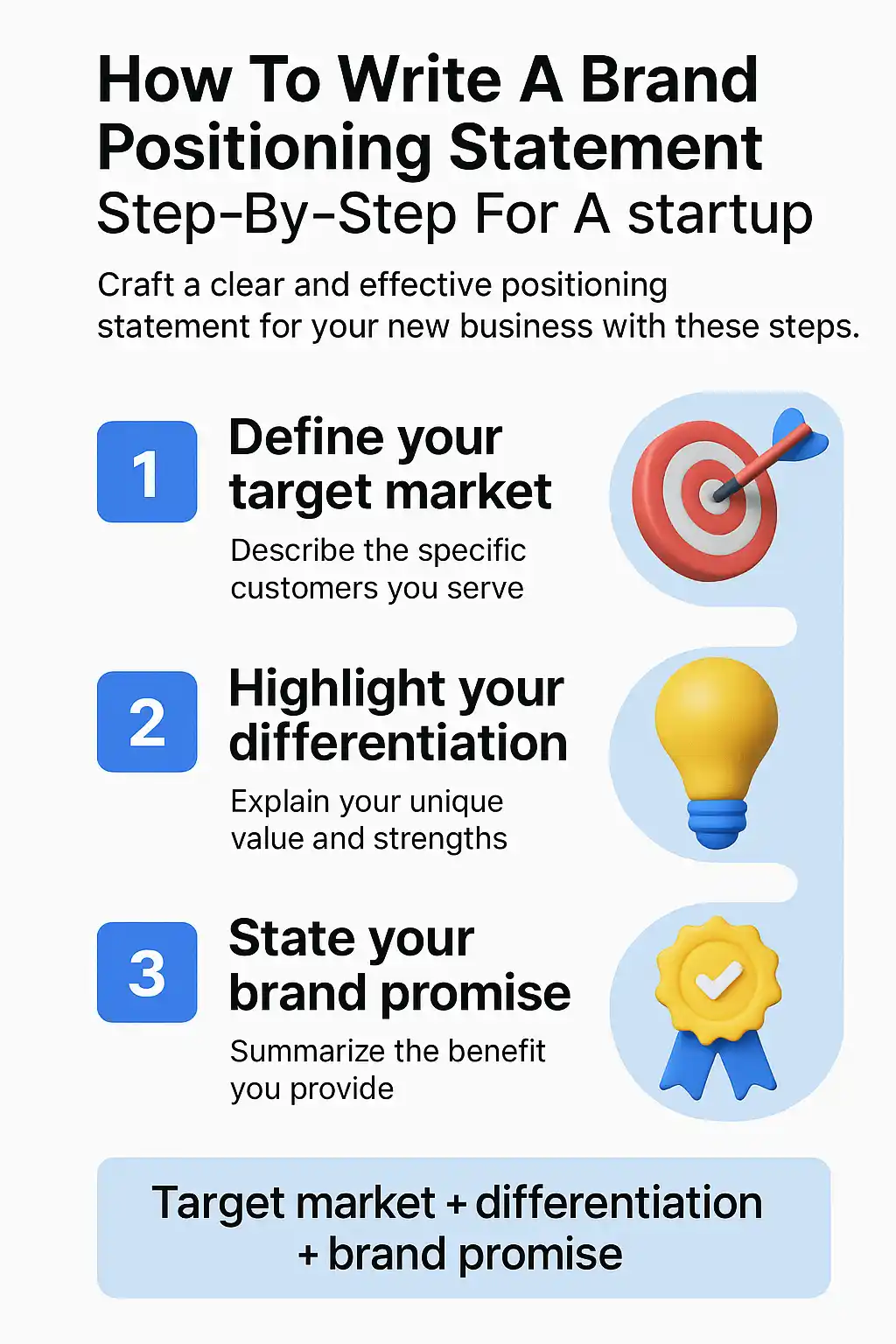
Clear positioning answers three simple questions:
Who are you best suited to help?
What specific problem do you solve for them?
Why is your approach meaningfully different from other options?
“After guiding small business owners through hundreds of brand workshops, we’ve learned that positioning isn’t about sounding bigger than you are—it’s about getting radically clear about the value only you can deliver. When a small brand defines that space with confidence, every marketing effort suddenly works harder, costs less, and attracts customers who stick.”
Essential Resources
At Branded Agency, we’ve learned that small business owners make smarter, faster brand decisions when they have access to genuinely useful, credible resources—not generic definitions—because the right insights support everything from core positioning to a cohesive brand extension strategy. These are the seven sources we consistently recommend to founders who want clarity, strategy, and real examples they can act on immediately.
1. DigitalOcean: A Clear, Modern Breakdown You Can Actually Use
This guide cuts through the noise with a straightforward explanation of what brand positioning is and why it matters in real markets—perfect if you want a clean, practical foundation before diving deeper.
Source: https://www.digitalocean.com/resources/articles/what-is-brand-positioning
2. Keap Marketing Glossary: The Fastest Way to Understand the Core Concept
Keap offers a crisp, no-frills definition of brand positioning as “the space your company owns in the customer’s mind.” It’s our go-to recommendation for owners who need clarity right now.
3. The Branding Journal: A Simple, Actionable Framework for Beginners
This resource combines a clean definition with a practical three-step approach—ideal if you like structure and want a quick, tactical starting point without overcomplication.
Source: https://www.thebrandingjournal.com/2016/11/brand-positioning-definition/
4. Shopify (2025): Small-Business Examples That Make Positioning Click
Shopify’s guide gives real, relatable examples for small brands—a refreshing change from enterprise-level theory. If you want to see positioning in action, start here.
5. LaunchNotes: A Strategic Look at Perception and Competitive Landscape
This resource goes beyond definitions and breaks down positioning through the lens of customer perception, brand identity, and competitor dynamics—valuable if you’re thinking big picture.
Source: https://www.launchnotes.com/blog/what-is-brand-positioning-a-comprehensive-guide
6. HubSpot Blog: Templates and Examples You Can Plug Into Your Process
HubSpot delivers templates, examples, and inspiration—ideal for small business owners ready to put positioning work into motion without starting from scratch.
Source: https://blog.hubspot.com/sales/brand-positioning-strategy
7. Harvard Business School Online: Guidance for Crafting Your Positioning Statement
This source focuses on the strategic positioning statement—the internal compass that guides all messaging. If you’re refining your brand strategy, this is a must-read.
Source: https://online.hbs.edu/blog/post/brand-positioning-statement
Supporting Statistics
Brand image increases loyalty.
Research shows a consistent brand image directly boosts customer satisfaction and loyalty.
At Branded Agency, we see this daily: brands with clear identity and messaging keep customers longer and earn more referrals.
Source: PMC Study on Brand Image – research findings
Source: PMC Study on Brand Image – research findings
Brand experience builds trust.
Studies confirm that brand experience (not just price or product) heavily influences trust and repeat buying, and businesses that document their standards in a brand bible are better equipped to deliver that experience consistently.
Our client data shows the same pattern: consistent experiences outperform discounts and promotions.
Source: Brand Experience Study – research article
Source: Brand Experience Study – research article
Loyal customers drive sustainable growth.
U.S.-based research shows returning customers are significantly more valuable than new customers, and retention costs far less.
In our projects, focused positioning consistently attracts “right-fit” customers who buy again and again.
Source: Customer Loyalty Research – research synthesis
Source: Customer Loyalty Research – research synthesis
Final Thoughts & Opinion
Brand positioning isn’t just a marketing term — it’s the foundation that makes every message clearer and every customer interaction more meaningful. When small business owners understand exactly what they stand for and who they serve, growth becomes more intentional and far easier to sustain.
What Matters Most
Strong positioning helps customers instantly understand your value.
Consistent brand experience builds trust and loyalty over time.
Clear messaging reduces marketing waste and improves conversion.
Strong positioning helps customers instantly understand your value.
Consistent brand experience builds trust and loyalty over time.
Clear messaging reduces marketing waste and improves conversion.
Our Perspective From the Field
Based on our work with hundreds of founders at Branded Agency, the businesses that grow fastest usually share three traits:
Clarity: They know their audience and speak directly to them.
Consistency: Their identity and message align across every touchpoint.
Confidence: They stand by their differentiator instead of chasing competitors.
Clarity: They know their audience and speak directly to them.
Consistency: Their identity and message align across every touchpoint.
Confidence: They stand by their differentiator instead of chasing competitors.
Why This Approach Works
Customers return to brands that feel familiar, relevant, and trustworthy.
Clear positioning attracts the right audience — not just more traffic.
Consistency builds momentum, making marketing easier—not harder.
Customers return to brands that feel familiar, relevant, and trustworthy.
Clear positioning attracts the right audience — not just more traffic.
Consistency builds momentum, making marketing easier—not harder.
Bottom Line
Brand positioning is the quiet power move behind brands that win. When small business owners define it with intention, they stop blending in, start standing out, and ultimately build stronger relationships with customers who truly value what they offer.
Next Steps
Define your target audience. Get specific about who you serve best.
Clarify the core problem you solve. Write it in one clear sentence.
List your differentiators. Identify what makes your approach uniquely valuable.
Audit your current messaging. Check for clarity, consistency, and alignment.
Update your brand statement. Create a simple, internal positioning statement.
Apply it everywhere. Use your positioning to guide your website, social posts, offers, and customer experience.
Monitor and refine. Gather feedback, track customer responses, and adjust as needed.
Following these steps to define your audience, clarify your message, and refine your positioning mirrors the proven process a strategic branding agency uses to improve visibility, strengthen brand perception, and attract more qualified customers.
Define your target audience. Get specific about who you serve best.
Clarify the core problem you solve. Write it in one clear sentence.
List your differentiators. Identify what makes your approach uniquely valuable.
Audit your current messaging. Check for clarity, consistency, and alignment.
Update your brand statement. Create a simple, internal positioning statement.
Apply it everywhere. Use your positioning to guide your website, social posts, offers, and customer experience.
Monitor and refine. Gather feedback, track customer responses, and adjust as needed.
FAQ on What Is Brand Positioning
Q: What is brand positioning?
A: It’s the space your business occupies in the customer’s mind. At Branded Agency, we’ve seen that small brands grow faster when they define this space clearly instead of trying to appeal to everyone.
Q: Why does brand positioning matter for small businesses?
A: It helps customers understand your value instantly. Clear positioning makes your marketing more effective, lowers acquisition costs, and attracts customers who are a natural fit — something we consistently observe in client projects.
Q: What makes a strong brand positioning?
A: Three things:
A specific audience
A clear problem you solve
A meaningful differentiator
We use this simple framework in our workshops because it consistently delivers clarity and results.
A specific audience
A clear problem you solve
A meaningful differentiator
We use this simple framework in our workshops because it consistently delivers clarity and results.
Q: How do I know if my brand positioning is working?
A: Look for early signals:
Customers repeat your key message back to you
You attract more of the “right” buyers
Sales conversations get shorter
These are common markers we see when clients refine their positioning.
Customers repeat your key message back to you
You attract more of the “right” buyers
Sales conversations get shorter
These are common markers we see when clients refine their positioning.
Q: How do I create a brand positioning statement?
A: Use this quick outline:
Who you help
What problem you solve
What makes you different
We guide clients through this structure because it produces a statement that’s simple, clear, and easy to use across all messaging.
Who you help
What problem you solve
What makes you different
We guide clients through this structure because it produces a statement that’s simple, clear, and easy to use across all messaging.